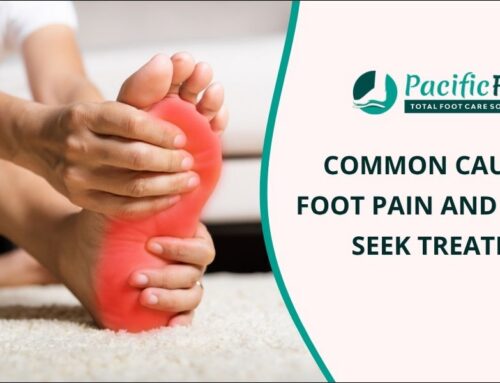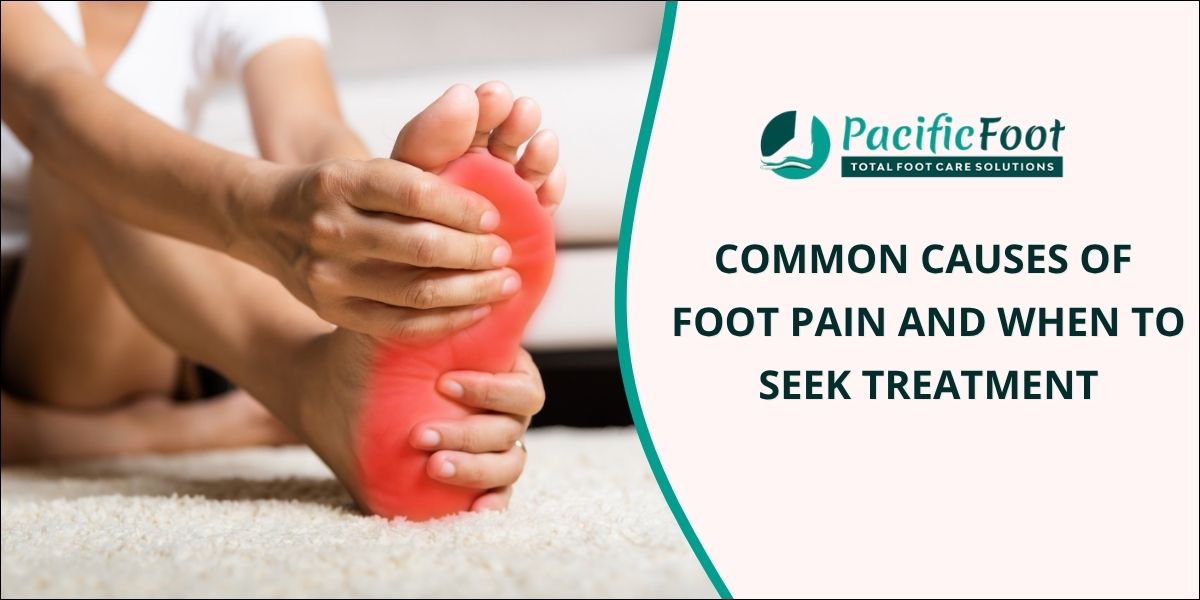
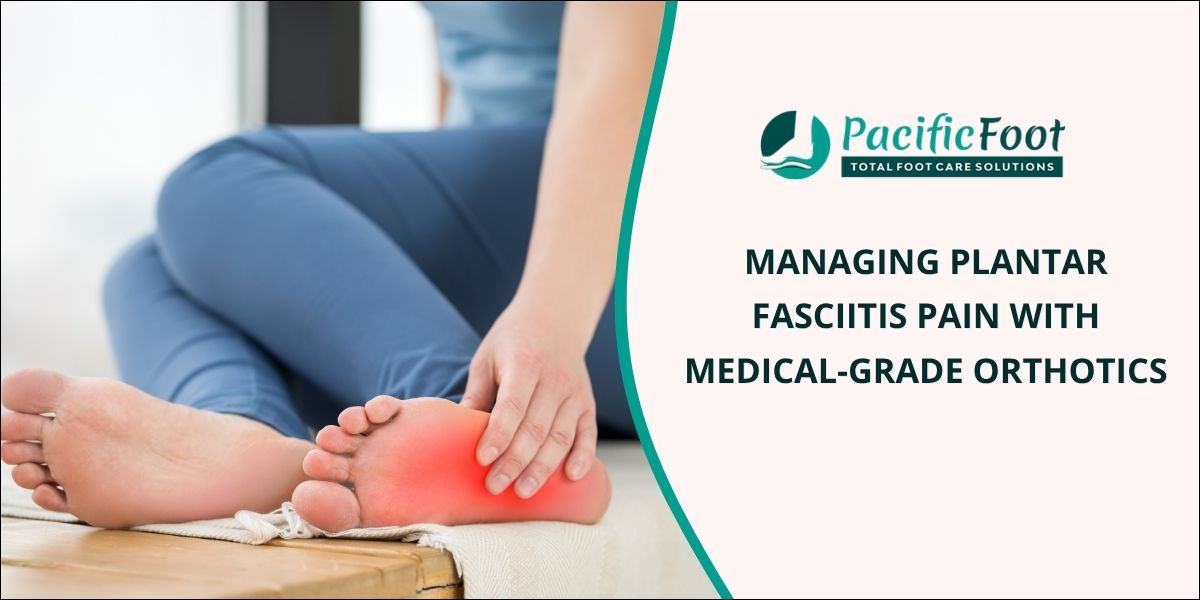
Plantar fasciitis is one of the most common causes of heel pain. It can make simple activities such as walking, standing, exercising, or getting out of bed in the morning surprisingly uncomfortable. While rest and stretching may help, some people continue to experience pain because the underlying pressure on the foot has not been addressed.
This is where medical-grade orthotics for plantar fasciitis can play an important role. Properly designed orthotics can support the foot, improve pressure distribution, and reduce strain on the plantar fascia during everyday movement.
What Is Plantar Fasciitis?
The plantar fascia is a strong band of tissue that runs along the bottom of your foot, connecting the heel bone to the toes. It helps support the arch and absorbs shock when you walk or run.
When this tissue is repeatedly stressed or overloaded, small injuries and irritation can develop. This condition is known as plantar fasciitis.
Typical symptoms include:
- Sharp pain under or near the heel
- Pain that is worse with the first few steps in the morning
- Discomfort after sitting for a long time
- Heel pain after exercise or prolonged standing
- Tightness along the bottom of the foot
The pain may improve as you move around, but it can return later in the day, particularly after prolonged activity.
Why Does Plantar Fasciitis Happen?
There is rarely one single cause. Plantar fasciitis can develop when the foot is repeatedly exposed to stress that it cannot comfortably manage.
Common contributing factors include:
- Flat feet or very high arches
- Tight calf muscles
- Poor foot mechanics
- Sudden increase in walking or running
- Standing for long hours
- Unsupportive footwear
- Repetitive high-impact activities
- Excess body weight
Your foot structure and the way you walk can influence how much load reaches the plantar fascia. If this load is not distributed properly, the tissue may become irritated over time.
How Can Medical-Grade Orthotics Help?
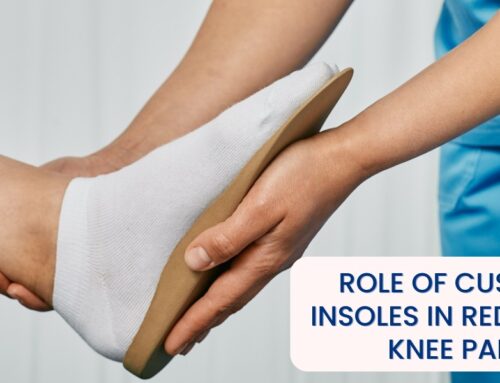
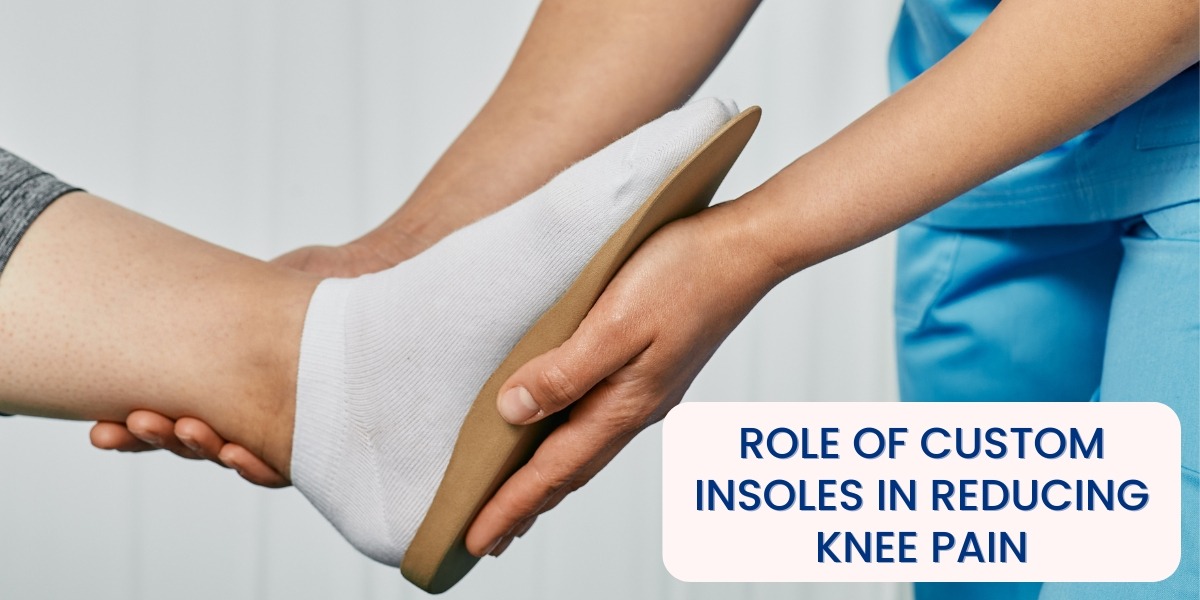
Orthotics are specially designed inserts placed inside footwear to provide targeted support. Unlike ordinary shoe insoles, medical-grade orthotics for plantar fasciitis are designed around an individual’s foot structure, pressure points, and biomechanical needs.
They may help by:
1. Supporting the Arch
The plantar fascia helps maintain the foot’s natural arch. Appropriate arch support can reduce excessive strain on the plantar fascia while you stand and walk.
However, more support is not always better. The height and positioning of the support should suit your individual foot.
2. Distributing Pressure More Evenly
Certain areas of the foot may receive excessive pressure when you walk. Orthotics can help redistribute this load across a larger surface area, potentially reducing stress around the heel.
3. Improving Foot Alignment
Some people have excessive inward or outward movement of the foot while walking. This can affect the way forces travel through the foot and lower limb.
A properly designed orthotic may help guide the foot toward a more efficient position during movement.
4. Reducing Heel Stress
Plantar fasciitis pain often becomes noticeable around the heel. Depending on the individual’s requirements, an orthotic may incorporate cushioning or pressure-relieving features around the heel area.
5. Providing Support During Daily Activities
Treatment is not only about what happens during exercise. If your job requires you to stand or walk for several hours every day, your feet may experience repeated stress.
Orthotics can provide consistent support inside your everyday footwear.
Medical-Grade Orthotics vs. Regular Insoles
Walking into a store and buying a generic insole may provide temporary comfort, but it may not address the reason behind your heel pain.
Generic insoles are designed for a broad range of users. Medical-grade orthotics, on the other hand, can be selected or designed according to factors such as:
- Foot shape
- Arch structure
- Pressure distribution
- Walking pattern
- Activity level
- Existing foot problems
- Type of footwear
The goal is not simply to make the shoe softer. It is to provide appropriate support where your feet need it.
Do Orthotics Cure Plantar Fasciitis?
Orthotics should not be viewed as a standalone cure. Plantar fasciitis management often works best when several approaches are combined.
Depending on your condition, a healthcare professional may recommend:
- Calf and plantar fascia stretching
- Strengthening exercises
- Appropriate footwear
- Activity modification
- Weight management when appropriate
- Physiotherapy
- Pain-relieving measures
- Medical-grade orthotics
Orthotics can be particularly useful when abnormal foot mechanics are contributing to recurring symptoms.
Choosing the Right Orthotics
Not every orthotic is suitable for every person with heel pain. A proper assessment is important before choosing one.
A foot specialist may evaluate your arch, heel position, foot flexibility, walking pattern, pressure distribution, and footwear. Based on these findings, the appropriate orthotic design can be recommended.
The right orthotic should also be comfortable enough to use consistently. If an insole causes significant discomfort, numbness, or new pain, it should be reassessed rather than simply tolerated.
When Should You See a Specialist?
Mild heel pain may sometimes improve with conservative care. However, you should consider professional evaluation if:
- Heel pain continues for several weeks
- Pain is affecting your normal activities
- Symptoms keep returning
- Walking becomes difficult
- You have significant foot or ankle problems
- Pain is getting progressively worse
A proper diagnosis is important because not every type of heel pain is caused by plantar fasciitis.
Visit Pacific Foot Insole Pune
Pacific Foot Insoles Clinic in Pune provides foot-care solutions designed to improve comfort, support, and pressure distribution for people dealing with various foot-related concerns, including plantar fasciitis. The right insole should be selected based on individual foot structure and requirements rather than using a one-size-fits-all approach. If persistent heel pain is affecting your walking, standing, or daily routine, a professional foot assessment can help determine whether medical-grade orthotics may be appropriate for you.
Frequently Asked Questions
1. Can orthotics help with plantar fasciitis?
Yes. Properly designed orthotics can support the arch and help reduce stress and pressure on the plantar fascia.
2. How long should I wear plantar fasciitis orthotics?
Start gradually and increase wearing time as your feet adjust. Your specialist can provide individual guidance.
3. Are medical-grade orthotics better than normal insoles?
They can be more appropriate when specific foot mechanics or pressure problems need to be addressed.
4. Can plantar fasciitis go away permanently?
Many people improve with appropriate treatment, but recurring symptoms may occur if contributing factors are not addressed.
5. Should I wear orthotics in every pair of shoes?
Ideally, supportive footwear should be used consistently, but the type of orthotic and footwear combination depends on your individual needs.