Foot pain can make even simple activities like walking, standing at work, or exercising uncomfortable. That is why many people turn to insoles for additional cushioning, arch support, pressure relief, or improved foot alignment. But buying a pair of insoles is only the first step. Using the wrong type—or using the right insoles incorrectly—can sometimes make discomfort worse instead of better.
From choosing insoles based only on appearance to wearing them for long hours immediately, there are several common mistakes people make.
Understanding mistakes can help you get better support and comfort from your insoles.
1. Choosing Insoles Without Understanding Your Foot Needs
One of the most common mistakes is purchasing insoles simply because they are popular or highly rated. However, everyone’s feet are different.
Some people may need arch support, while others may benefit more from cushioning or pressure redistribution. Foot shape, walking pattern, activity level, footwear, and existing discomfort can all influence which type of insole is appropriate.
Instead of choosing an insole randomly, it is better to understand what your feet actually need.
2. Buying the Wrong Size
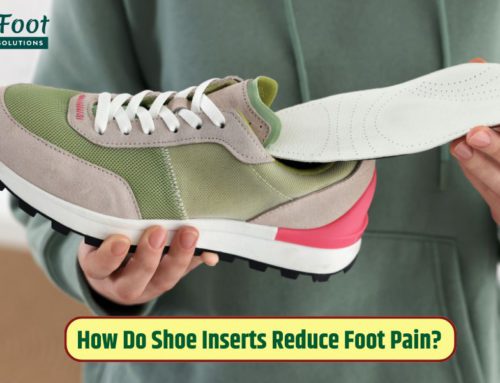
Insoles need to fit properly inside your footwear. An insole that is too large may curl or bunch up, while one that is too small may not provide adequate support. A poorly fitted insole can also reduce the available space inside the shoe and create pressure around the toes or sides of the foot. Before purchasing, check the recommended size and make sure the insole is compatible with the shoe you plan to wear.
3. Putting New Insoles Into Any Shoe
Not every shoe works equally well with every type of insole.
For example, some shoes have removable factory insoles, while others have limited space inside. Putting a thick insole into a tight shoe can make the foot feel cramped and may alter how you walk.
Ideally, consider the design and available space of the footwear before selecting an insole. Your everyday walking shoes, sports shoes, work shoes, and formal footwear may require different solutions.
4. Wearing New Insoles for the Whole Day Immediately
A new pair of supportive insoles can feel different from your regular footwear. Some people make the mistake of wearing them continuously for several hours from the first day.
Your feet may need time to adapt to a change in support and pressure distribution. If the insoles are new, gradually increasing wearing time can be more comfortable.
Pay attention to how your feet feel during and after use. Persistent discomfort should not simply be ignored.
5. Ignoring Pain Because “The Insoles Need Time”
There is a difference between getting accustomed to a new support system and experiencing significant or persistent pain.
Mild unfamiliarity can sometimes occur when changing footwear support. However, sharp pain, increasing discomfort, numbness, excessive pressure, or irritation should not be dismissed.
If your symptoms continue or worsen, it is worth getting your feet assessed rather than assuming the insoles are simply taking time to work.
6. Using the Same Insoles for Every Activity
Walking, running, standing at work, and playing sports place different demands on your feet.
An insole that feels comfortable during normal walking may not necessarily be suitable for intense exercise. Similarly, someone who spends many hours standing may have different support needs from someone who mainly uses insoles during short walks.
Think about when and where you experience discomfort when choosing an insole.
7. Forgetting to Check the Insoles Regularly
Insoles are not necessarily permanent. Like shoes, they experience repeated pressure and friction. Over time, cushioning can become compressed and the material may lose its original shape. A worn-out insole may no longer provide the support you initially experienced.
Check your insoles periodically for visible flattening, cracks, uneven wear, or changes in comfort. If they are significantly worn, replacement may be necessary.
8. Assuming Insoles Fix Every Foot Problem
Insoles can provide useful support and comfort, but they are not a universal solution for every cause of foot pain.
Persistent foot discomfort may sometimes be associated with footwear problems, changes in walking mechanics, muscle weakness, injuries, or underlying foot conditions. Simply changing insoles without understanding the reason for the pain may not solve the problem.
If foot pain keeps returning despite changing shoes or insoles, professional assessment can help identify the underlying issue.
9. Not Considering Professional Guidance
When choosing an insole, many people focus only on cushioning or softness. But effective foot support is about more than comfort.
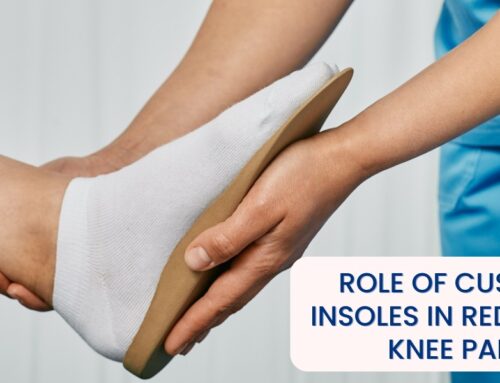
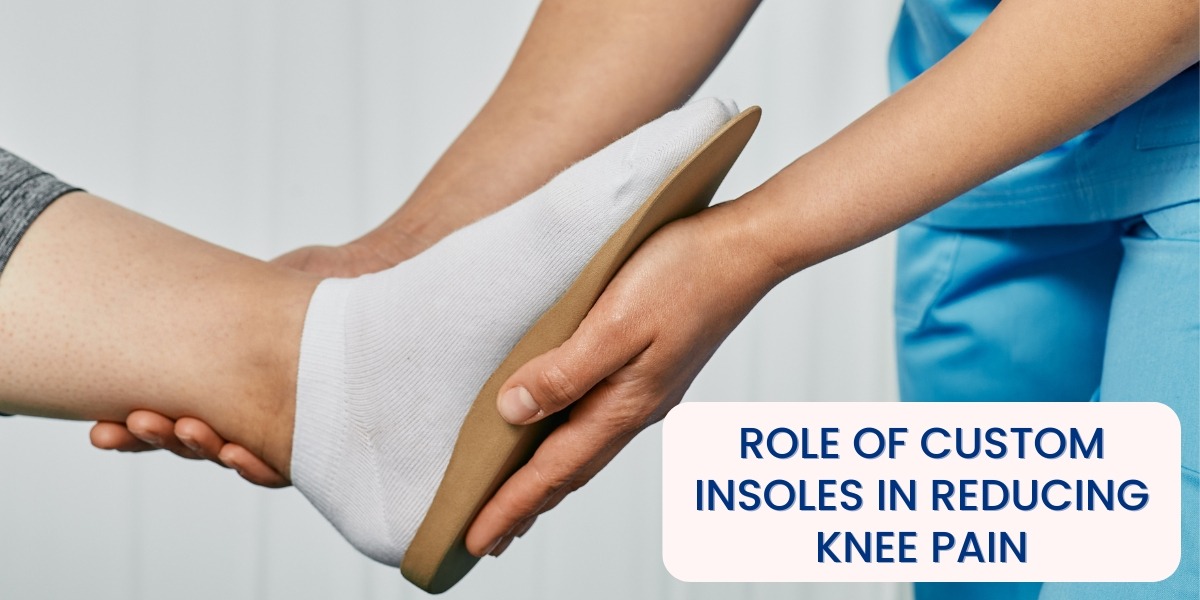
A professional assessment can help determine factors such as pressure distribution, foot posture, arch characteristics, and walking patterns. This can be especially useful for people experiencing recurring foot pain or difficulty while walking or standing.
Get the Right Foot Support at Pacific Foot Insoles Pune
At Pacific Foot Insoles Pune, the focus is on helping people find appropriate foot-support solutions based on their individual needs rather than simply choosing a generic insole. If you are experiencing foot discomfort, tired feet, arch-related discomfort, or pressure while walking or standing, a proper assessment can help determine whether insoles may be suitable for you.
FAQs
1. Can insoles cause foot pain?
Yes. Poorly fitted or unsuitable insoles can sometimes cause pressure or discomfort.
2. How long does it take to get used to new insoles?
Many people benefit from gradually increasing wearing time as their feet adjust.
3. Can I use the same insoles in every shoe?
Not always. Different shoes may require different insole designs or thicknesses.
4. When should insoles be replaced?
Replace them when they become visibly worn, compressed, damaged, or no longer provide adequate support.
5. Are custom insoles better than regular insoles?
Custom insoles may be beneficial when individual foot structure or specific support requirements need to be addressed.