
Foot pain is most often caused by strain on the heel, arch or forefoot from conditions such as plantar fasciitis, flat feet, Achilles tendon problems, corns and calluses, bunions, poorly fitting footwear and nerve or circulation problems linked to diabetes. Many mild cases ease with rest, supportive footwear and stretching. You should seek medical treatment if the pain lasts more than two weeks, stops you from walking, comes with swelling, redness, numbness or a wound, or if you have diabetes.
This guide explains the common causes of foot pain by area, simple self-care steps and the warning signs that need a doctor’s attention.
Why Does Foot Pain Happen?
Each foot has 26 bones, more than 30 joints and many muscles, tendons and ligaments that work together every time you stand or walk. When any part of this structure is overloaded, injured or poorly supported, pain can follow. Long hours of standing, sudden increases in walking or exercise, weight gain, ageing and unsuitable footwear are common contributors.
Common Causes of Foot Pain by Area
Heel pain
- Plantar fasciitis: irritation of the thick band of tissue under the foot. Pain is usually worst with the first steps in the morning.
- Heel spur: a bony growth on the heel bone, often seen along with plantar fasciitis.
- Achilles tendon problems: pain and stiffness at the back of the heel, often after activity.
- Heel fat pad thinning: loss of natural cushioning under the heel with age.
Read more on our heel pain page.
Arch pain
- Flat feet: a low or collapsed arch can strain the tendons and ligaments of the foot.
- High arches: place more pressure on the heel and ball of the foot.
- Tendon strain: overuse of the tendons that support the arch.
Ball-of-foot and toe pain
- Metatarsalgia: pain and burning under the ball of the foot.
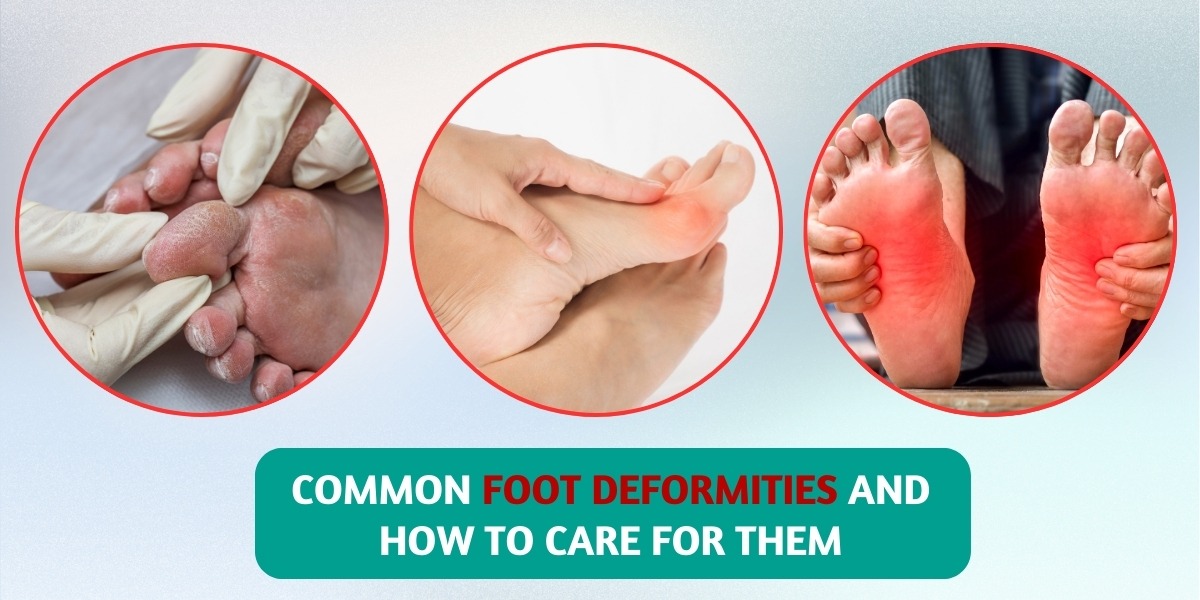
- Corns and calluses: thickened skin over pressure points.
- Bunions: a bony bump at the base of the big toe.
- Morton’s neuroma: thickened nerve tissue between the toes causing burning or tingling.
Ankle and upper foot pain
Ankle sprains, tendon inflammation, stress fractures and arthritis can cause pain around the ankle and on the upper surface of the foot.
Other Factors Linked to Foot Pain
Footwear
Tight, narrow, very flat or worn-out shoes and high heels can change how pressure is spread across the foot. For daily use, look for shoes with a roomy toe box, a firm heel counter, a cushioned sole and a heel height that is low and stable. Buying shoes later in the day, when feet are slightly swollen, helps you choose a comfortable fit.
Diabetes
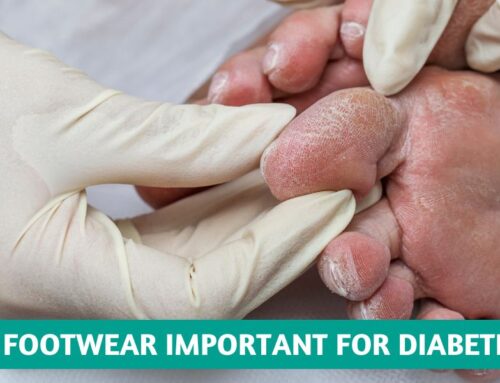
Diabetes can affect the nerves and blood supply of the feet, causing numbness, burning or slow-healing wounds. Our page on diabetic foot care shares more information.
Body weight and activity
Extra body weight and sudden increases in walking, running or standing time increase the load on the feet.
Arthritis and gout
Arthritis can cause stiffness and swelling in foot joints. Gout often causes sudden, severe pain and redness, commonly at the big toe.
Simple Self-Care for Mild Foot Pain
- Rest and reduce activities that make the pain worse
- Apply ice wrapped in a cloth for 10 to 15 minutes, a few times a day
- Wear supportive, well-fitting footwear with cushioning
- Gently stretch the calf muscles and the sole of the foot
- Avoid walking barefoot on hard floors if it worsens pain
- Replace shoes when the soles are worn unevenly
If these steps do not help within a couple of weeks, it is time to get a proper assessment.
When Should You Seek Treatment for Foot Pain?
Consult a doctor if you have:
- Pain lasting more than two weeks despite rest
- Pain that stops you from walking or putting weight on the foot
- Swelling, redness, warmth or fever
- Numbness, tingling or burning
- A wound, blister or colour change, especially if you have diabetes
- Pain after a fall or injury
- A visible change in the shape of your foot
Sudden severe pain with a cold, pale or blue foot needs emergency care.
How Foot Assessment and Custom Insoles Can Help
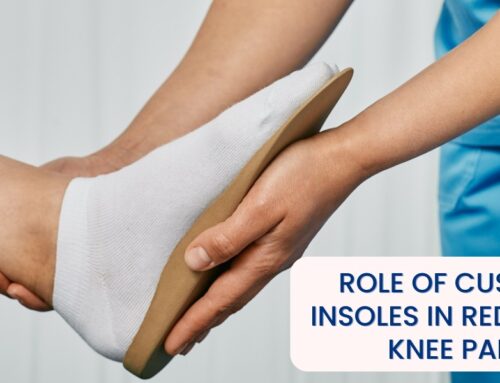
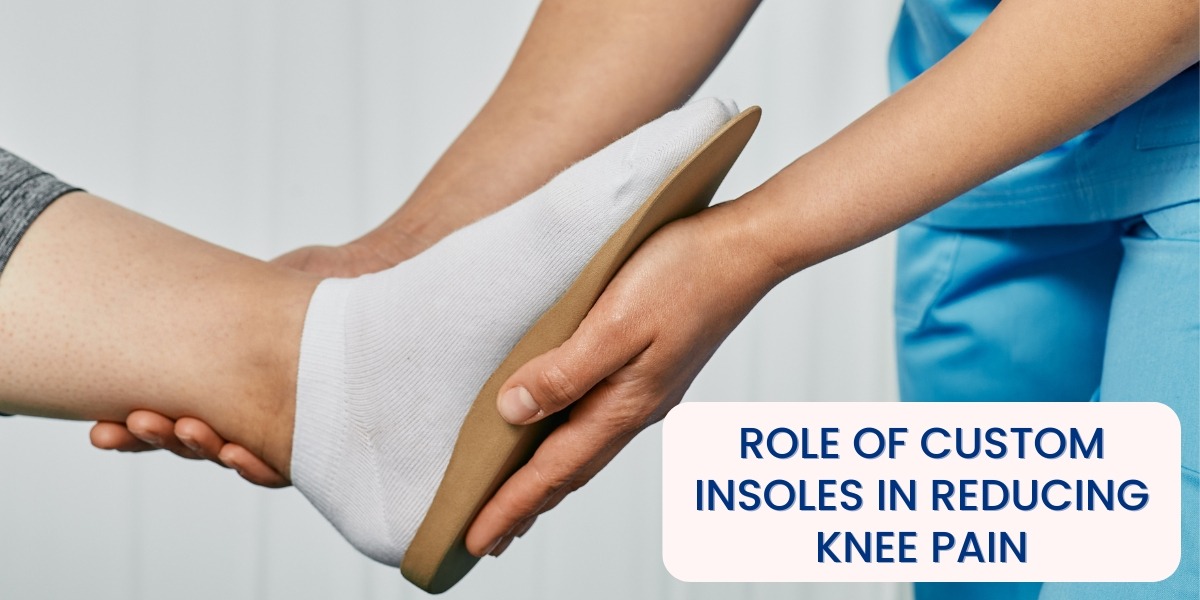
Once a doctor has identified the cause, supportive aids may be part of the plan. At Pacific Foot Insoles, the process includes a discussion of your symptoms, footwear and daily activity, followed by a foot assessment. We use static and dynamic foot scans and a Podascope to study foot posture and pressure, and take a foot impression using vacuum technology. The insole is then moulded to your foot.
Custom insoles aim to support the arch, cushion pressure points and distribute load more evenly. You can learn more about custom foot insoles in Pune and how they relate to common foot problems.
Frequently Asked Questions
What is the most common cause of heel pain?
Plantar fasciitis is one of the most common causes of heel pain in adults. It typically causes sharp pain under the heel with the first steps in the morning or after resting. Other causes include Achilles tendon problems, heel fat pad thinning and stress fractures.
Can wrong footwear cause foot pain?
Yes. Shoes that are too tight, too flat, worn out or have high heels can increase pressure on certain parts of the foot and contribute to heel pain, corns, bunions and ball-of-foot pain.
When should I see a doctor for foot pain?
See a doctor if the pain lasts more than two weeks despite rest, if you cannot put weight on the foot, if there is swelling, redness or warmth, if you notice numbness or tingling, or if you have diabetes and notice any wound or colour change.
Do custom insoles help with foot pain?
Custom insoles can support the arch, cushion the heel and spread pressure more evenly, which may ease discomfort for some people with conditions such as flat feet or plantar fasciitis. They work alongside, not instead of, medical advice and exercises.
Is foot pain related to knee or back pain?
The way your feet meet the ground can affect how load passes through the ankles, knees and hips. In some people, foot alignment problems may contribute to discomfort higher up. A proper assessment helps find the actual cause.
Why do people with diabetes need extra foot care?
Diabetes can reduce sensation and blood flow in the feet, so small injuries may go unnoticed and heal slowly. Daily foot checks, suitable footwear and regular medical review are important.
Visit Pacific Foot Insoles
If foot discomfort is affecting your walking or work, you can visit us for a foot assessment and a discussion about suitable footwear and insoles.
- Branch 1 (Swargate): Flat No 203, 2nd Floor, Snehganga Building No B, Shankar Sheth Road, Next to Vega Centre, Pune 411037
- Branch 2 (PCMC): OPD No. 2, B303, 3rd floor, Gera Imperium Oasis, near PCMC Metro Station, Morewadi, Pimpri Colony, Pimpri-Chinchwad 411018
- Phone: +91 83297 40441